
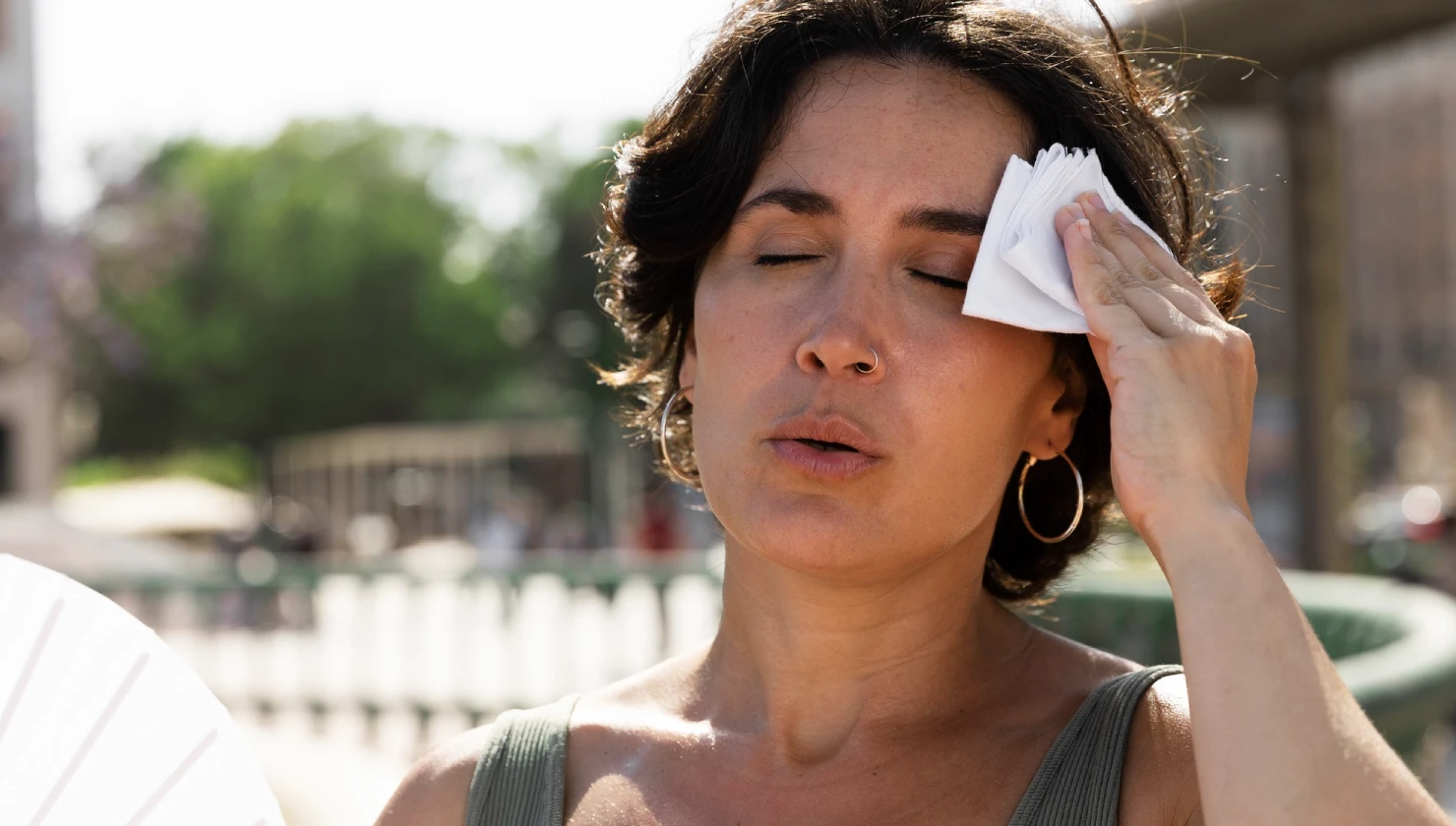
Feeling dizzy, nauseous, weak after being in the Bali sun? Learn the warning signs of heat exhaustion that every traveler should recognize.
You planned for Bali’s beaches, temples, and rice terraces. You probably didn’t plan for the heat.
Bali’s tropical climate is beautiful, but it’s also intense. Temperatures regularly sit above 30°C, humidity is high year-round, and many popular activities involve long hours in direct sun. For travelers arriving from cooler climates, the combination can hit harder than expected.
Heat exhaustion is one of the most common and most commonly misidentified health issues affecting tourists in Bali. Knowing the symptoms early can make a real difference.
What Is Heat Exhaustion?
Heat exhaustion happens when your body overheats and starts to struggle with temperature regulation. It typically develops after prolonged exposure to high temperatures, physical exertion in the heat, or not drinking enough fluids.
It is not the same as heatstroke, but left unmanaged, it can progress into one.
Common Symptoms of Heat Exhaustion
These are the warning signs to watch for:
- Heavy sweating — your body working overtime to cool down
- Pale or flushed skin
- Dizziness or lightheadedness — especially when standing up
- Nausea — often mistaken for Bali Belly
- Muscle cramps or weakness
- Headache — particularly after time in the sun
- Rapid or weak pulse
- Fatigue that feels disproportionate to your activity level
- Cool, moist skin despite the heat
- Dark-colored urine — a clear sign of dehydration
Symptoms often develop gradually. Many travelers notice feeling “off” for an hour or more before realizing the heat is the cause.
Why Bali’s Climate Catches Travelers Off Guard
Bali sits close to the equator. That means:
- High humidity — sweat doesn’t evaporate effectively, so cooling is less efficient
- Intense UV radiation — even on cloudy days
- Limited shade on popular routes — rice terrace walks, temple visits, and beach days involve extended sun exposure
Travelers arriving from Europe, the US, or Australia are often unaccustomed. Your body typically needs one to two weeks to adjust to a tropical climate. In the meantime, you’re at higher risk.
Is It Heat Exhaustion or Bali Belly?
This is a very common question, because nausea, weakness, and feeling unwell can look similar.
Here’s a quick way to tell them apart:
| Symptom | Heat Exhaustion | Bali Belly |
| Nausea | Yes | Yes |
| Vomiting | Sometimes | Often |
| Diarrhea | No | Yes — key sign |
| Dizziness | Yes — prominent | Less common |
| Headache after sun | Yes | Possible |
| Fever | Usually not | Sometimes |
| Improved with cool rest & fluids | Often yes | Not necessarily |
If nausea follows a long day outdoors without diarrhea, heat is more likely the cause.
Mild vs. Serious Warning Signs
Most heat exhaustion cases are manageable with rest, shade, and hydration. However, some signs suggest your body needs more than self-care.
Seek medical attention if you notice:
- Confusion, disorientation, or unusual behavior
- Loss of consciousness or fainting
- Skin that is hot and dry (not sweaty) — this may indicate heatstroke
- Vomiting that prevents you from keeping fluids down
- Symptoms that don’t improve after 30–60 minutes of rest and rehydration
- Core temperature above 39°C / 102°F
If any of these appear, this is no longer a rest-and-water situation. Medical care is needed promptly.
What to Do Right Now
If you’re experiencing symptoms:
- Get out of the sun immediately — move to a cool, shaded, or air-conditioned space
- Lie down and elevate your legs slightly if possible
- Drink fluids slowly — water or an electrolyte drink (not ice-cold, as this can cause cramping)
- Remove excess clothing
- Apply cool, damp cloths to your forehead, neck, and wrists
Monitor your symptoms closely. If they don’t improve within 30–60 minutes, or if they worsen at any point, seek professional medical advice.
Need help in Bali? Drip Medical Clinic provides medical assessment and IV rehydration therapy for travelers experiencing heat-related illness.