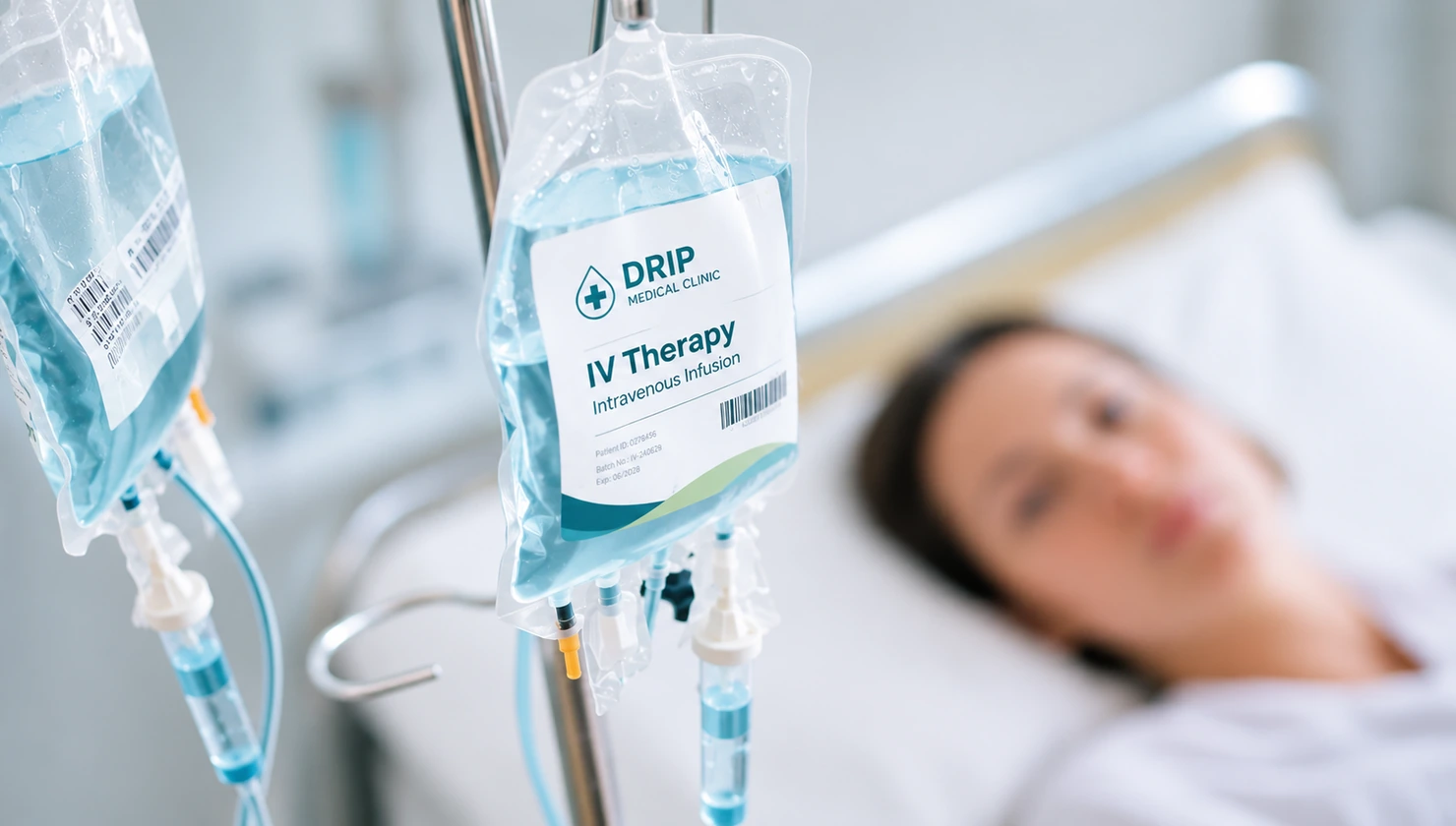
Learn about common IV drip side effects, potential complications, warning signs, and how to stay safe when receiving IV therapy in Bali.
Understanding IV Drip Side Effects
Intravenous (IV) therapy delivers fluids, medications, or nutrients directly into a vein. It is commonly used in medical settings when a patient needs fluid replacement, medication, or other treatments that require intravenous administration.
IV drip therapy is generally well tolerated when appropriately prescribed and administered by qualified healthcare professionals. However, because the procedure involves inserting a cannula into a vein and introducing substances directly into the bloodstream, it is not entirely risk-free.
The possible side effects depend on the type and amount of fluid or nutrients administered, the patient’s medical history, and how the procedure is performed. Some reactions are mild and temporary, while others may require prompt medical attention.
Understanding the potential side effects of IV drip therapy can help you make informed decisions before treatment, especially if you are considering IV hydration or vitamin therapy while travelling in Bali.
What Are the Common Side Effects of IV Drip Therapy?
Most immediate side effects associated with IV insertion affect the area around the cannula. Some people may also experience temporary symptoms during or shortly after an infusion.
1. Pain or Discomfort at the Injection Site
A brief pinch or stinging sensation may occur when the cannula is inserted. Mild tenderness around the insertion site can also develop after the procedure.
However, persistent or increasing pain should not be ignored. Pain, burning, or swelling while fluid is being administered may indicate irritation or fluid leaking into the surrounding tissue.
What to do: Inform the healthcare professional if you experience discomfort during the infusion. Do not attempt to adjust or remove the cannula yourself.
2. Bruising or Minor Swelling
A small bruise may appear when blood leaks from a tiny blood vessel during needle insertion. Minor bruising can occur even when the procedure is performed correctly.
Some swelling may also develop around the insertion site. However, noticeable or increasing swelling during an infusion can indicate infiltration, which occurs when IV fluid enters the surrounding tissue rather than remaining inside the vein.
What to do: Report new swelling, increasing pain, or changes in skin colour to the healthcare professional. The infusion may need to be stopped while the site is assessed.
3. Dizziness or Lightheadedness
Some people feel dizzy or faint during IV insertion or treatment. This may be related to anxiety, a vasovagal reaction to the needle, pain, or an underlying condition.
Dizziness should not automatically be attributed to dehydration or considered a normal part of IV therapy.
What to do: Tell the healthcare professional immediately and sit or lie down safely. Do not stand up or leave the clinic until you feel well and have been assessed.
4. Bleeding at the Insertion Site
A small amount of bleeding may occur when the cannula is removed. In most cases, gentle pressure with clean gauze helps stop it.
Bleeding that continues despite sustained pressure, or bleeding accompanied by significant swelling, requires medical assessment. People taking anticoagulant medication or those with bleeding disorders may need additional precautions.
What to do: Apply gentle, continuous pressure with clean gauze and seek medical advice if the bleeding does not stop or becomes heavy.
5. Vein Irritation or Inflammation
IV insertion can irritate the vein. In some cases, inflammation of the vein, known as phlebitis, may develop.
Symptoms can include redness, tenderness, warmth, or a firm, painful area following the course of the vein. These symptoms should not be dismissed as ordinary bruising, particularly if they worsen or spread.
What to do: Have the area assessed by a healthcare professional, especially if the pain or redness increases.
What Are the More Serious Risks of IV Therapy?
Although less common than minor insertion-site reactions, certain complications can be serious. The risk depends on the treatment, the substances administered, the patient’s health, and the conditions under which the infusion is performed.
1. Infection
Any procedure that breaks the skin creates a potential route for bacteria to enter the body. Infection may develop at the insertion site or, in more serious cases, spread beyond the local area.
Possible warning signs include:
- Redness or warmth that spreads around the insertion site.
- Increasing pain or swelling.
- Pus or unusual discharge.
- Fever or chills.
Strict hand hygiene, appropriate skin preparation, sterile equipment, and proper cannula handling help reduce infection risks.
When to seek help: Contact a healthcare professional promptly if you notice signs of infection. Fever, chills, confusion, or rapidly worsening symptoms after an infusion warrant urgent medical assessment.
2. Allergic Reactions
Some patients may react to an ingredient in an IV preparation, medication, or another product used during treatment. The severity can range from a mild skin reaction to a potentially life-threatening allergic response.
Possible symptoms include itching, hives, or a skin rash. More serious symptoms may include swelling of the lips, tongue, or throat, difficulty breathing, or sudden collapse.
When to seek help: Tell the healthcare professional immediately if you notice an unusual reaction during an infusion. Difficulty breathing, throat swelling, or collapse requires emergency medical assistance.
3. Fluid Overload
IV fluids enter the bloodstream directly. If too much fluid is administered, or the body cannot eliminate excess fluid effectively, fluid overload may occur.
People with certain heart or kidney conditions may be particularly vulnerable because their bodies may have difficulty managing additional fluid.
Warning signs can include new or worsening shortness of breath, swelling in the legs or ankles, and rapid or unexplained weight gain.
When to seek help: Report new breathing difficulties or significant swelling immediately. Severe shortness of breath requires emergency medical care.
4. Electrolyte Imbalances
Electrolytes such as sodium and potassium help regulate fluid balance, nerve function, and muscle activity. Depending on the formulation and amount administered, IV therapy can affect electrolyte levels.
The risk varies according to the ingredients used, the patient’s existing electrolyte levels, kidney function, and other medical conditions.
Symptoms of an electrolyte disturbance may include weakness, nausea, muscle cramps, confusion, or an abnormal heartbeat. These symptoms are not specific to electrolyte problems and require appropriate assessment.
When to seek help: A healthcare professional may recommend blood tests when clinically indicated, particularly for patients with relevant medical conditions or those receiving treatments that can affect electrolyte balance.
5. Vein Damage and Other Infusion Complications
Incorrect cannula placement, leakage of certain substances into surrounding tissue, or other infusion-related problems can cause more significant injury.
Some complications may initially present as burning, increasing pain, unusual swelling, skin discolouration, or changes around the insertion site.
Risk can be reduced through appropriate patient assessment, correct cannula placement, suitable infusion practices, and monitoring throughout treatment.
When to seek help: Inform the healthcare professional immediately if the infusion site becomes painful, swollen, discoloured, or unusually uncomfortable.
How Can You Reduce the Risk of IV Drip Side Effects?
There is no way to eliminate every risk associated with IV therapy. However, appropriate screening, treatment selection, and monitoring can help reduce preventable complications.
Choose a Qualified Medical Provider
IV therapy should be administered by appropriately trained healthcare professionals in a setting equipped to manage potential complications.
Before treatment, ask who will assess your suitability, administer the infusion, and respond if an unexpected reaction occurs.
The provider should also explain the proposed treatment, its potential risks, and available alternatives.
Share Your Medical History
A medical assessment should take place before treatment. Tell the healthcare professional about any relevant medical conditions, allergies, and medications you take.
It is particularly important to disclose:
- Kidney disease or impaired kidney function.
- Heart disease or a history of heart failure.
- Previous allergic reactions to medications or IV preparations.
- Bleeding disorders or the use of anticoagulants.
- Pregnancy or breastfeeding, when relevant.
- Previous reactions to IV treatment.
This information helps the clinician determine whether the proposed infusion is appropriate and whether additional precautions or investigations are needed.
Understand What Is in Your IV Drip
Before proceeding, ask what the infusion contains, why each ingredient is being used, and whether the proposed treatment is appropriate for your needs.
The dose, formulation, and rate of administration should be determined according to clinical considerations rather than assumed to be suitable for everyone.
IV vitamin therapy should not automatically be considered more effective than oral supplementation. Evidence supporting routine IV vitamin therapy for general wellness in otherwise healthy people remains limited, and unnecessary treatment can expose patients to avoidable risks.
Follow the Healthcare Professional’s Instructions
During treatment, remain alert to any unusual symptoms and communicate them promptly. Do not hesitate to speak up if you experience pain, burning, dizziness, itching, or difficulty breathing.
Follow the provider’s instructions regarding observation after the infusion and any recommended follow-up.
When Should You Seek Medical Attention After an IV Drip?
Knowing when to seek help is just as important as understanding the possible side effects.
Some mild insertion-site discomfort may improve without treatment. However, symptoms that worsen, spread, or appear unexpectedly after an infusion should be assessed rather than ignored.
Seek prompt medical assessment if you develop:
- Increasing redness, pain, or swelling around the insertion site.
- Pus or other signs of infection.
- Persistent dizziness or fainting.
- New swelling in the legs or ankles.
- Fever or chills following treatment.
- Unusual weakness or symptoms that continue to worsen.
Seek emergency medical assistance immediately if you experience difficulty breathing, swelling of the tongue or throat, chest pain, collapse, or severe confusion.
Do not wait for symptoms to become more severe before seeking help.
Is IV Drip Therapy Safe for Everyone?
No. The suitability of IV drip therapy depends on the person’s health, the reason for treatment, and the specific fluids or ingredients being administered.
For example, someone experiencing clinically significant dehydration may need medical fluid replacement, while another person seeking additional vitamins for general wellness may not benefit from an infusion.
Patients with kidney or heart conditions may require particular caution because of the potential effects of fluid administration. Other medical conditions, medications, allergies, and the ingredients in the proposed infusion may also influence the risk.
A responsible healthcare provider should assess these factors before recommending treatment. If IV therapy is not appropriate, the clinician should explain why and discuss suitable alternatives.
Considering IV Drip Therapy in Bali?
If you are visiting Bali and considering IV hydration or vitamin therapy, it is worth understanding both the potential benefits and the risks before making a decision.
Travel-related symptoms such as fatigue, dizziness, nausea, or weakness can have several possible causes. They should not automatically be treated with an IV drip without assessing the underlying problem.
At Drip Medical Clinic, patients can seek medical guidance to understand their symptoms and discuss whether an available treatment is appropriate for their circumstances. The right approach depends on an individual assessment rather than a one-size-fits-all infusion.
Before booking, ask about the ingredients in the proposed drip, the medical assessment process, potential side effects, and the precautions in place to manage unexpected reactions.
Your health and safety should always come before the decision to receive an IV treatment.
Explore IV Drip Therapy at Drip Medical Clinic
Final Thoughts
IV drip therapy can be useful when there is an appropriate medical indication, but it is not entirely risk-free. Common reactions include temporary discomfort, bruising, and minor bleeding at the insertion site. More serious complications can include infection, allergic reactions, fluid overload, and infusion-related injury.
Understanding these risks, sharing your medical history, and choosing qualified healthcare professionals can help you make a more informed decision.
If you experience unusual or worsening symptoms during or after treatment, seek medical advice promptly. For severe allergic symptoms, breathing difficulties, chest pain, or collapse, seek emergency care immediately.
Medical disclaimer: This article is for general educational purposes only and does not replace individual medical advice, diagnosis, or treatment. Consult a qualified healthcare professional to determine whether IV therapy is appropriate for you.