Traveling to Bali with food allergies? Learn how to avoid common allergens, communicate dietary restrictions, recognize allergic reactions,
Bali offers an incredible food experience, from traditional Indonesian dishes to international cuisine. However, travelers with food allergies should take extra precautions, especially when trying unfamiliar foods or dining in new environments.
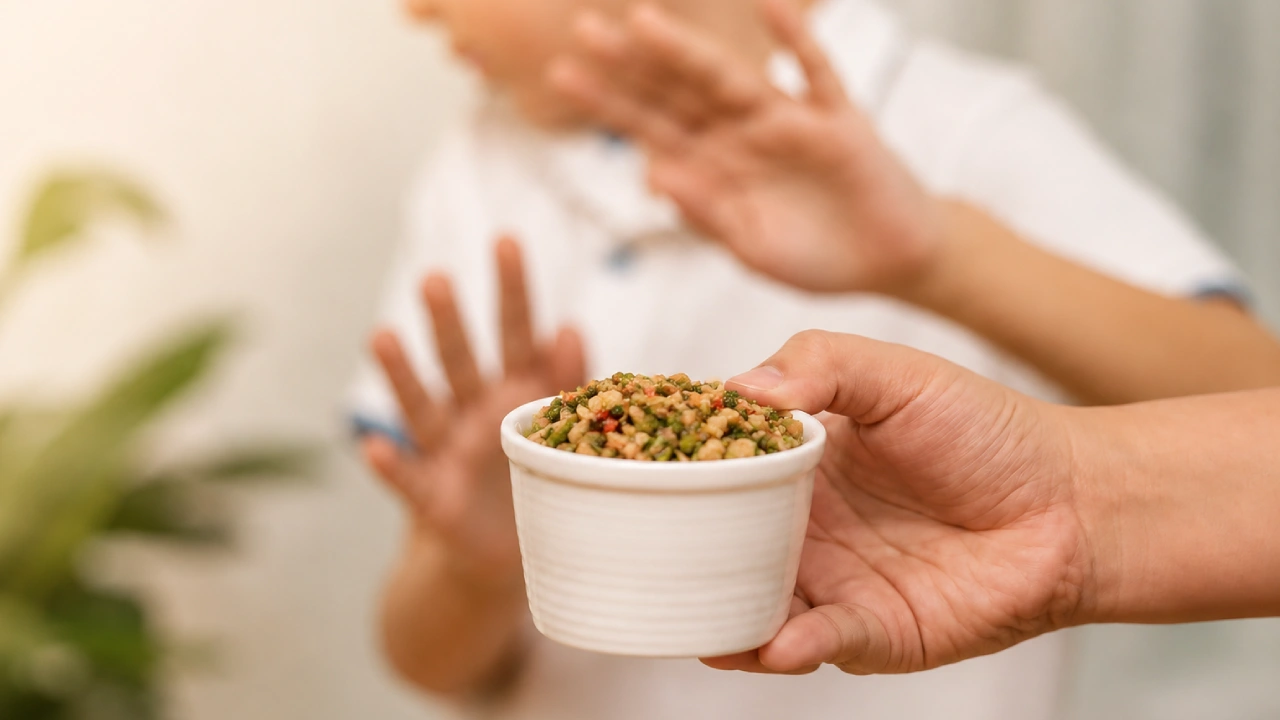
Whether you’re allergic to peanuts, shellfish, dairy, eggs, soy, or other ingredients, understanding local cuisine and preparing ahead can help you enjoy Bali safely while minimizing the risk of allergic reactions.
Understanding Food Allergies Before Your Bali Trip
A food allergy occurs when the body’s immune system mistakenly identifies certain foods as harmful. Reactions can range from mild symptoms to severe, life-threatening emergencies.
Common symptoms of a food allergy may include:
- Itchy skin or hives
- Swelling of the lips, tongue, or throat
- Nausea or vomiting
- Stomach cramps
- Difficulty breathing
- Dizziness or fainting
For travelers with severe allergies, even small amounts of an allergen may trigger a serious reaction. Understanding your triggers and preparing before departure is one of the most important steps for safe travel.
Common Allergens Found in Balinese and Indonesian Food
Indonesian cuisine is rich in flavors, spices, sauces, and condiments. While this creates exciting culinary experiences, it can also make ingredient identification more challenging.
Some common allergens frequently found in local dishes include:
- Peanuts
- Tree nuts
- Shellfish
- Fish
- Soy
- Eggs
- Dairy products
- Wheat-based ingredients
Peanuts are particularly common in Indonesian cooking. They are often used in satay sauce, peanut sauces, dressings, seasonings, and garnishes. Even when peanuts are not visible in a dish, they may still be present in sauces or cooking ingredients.
Travelers with peanut allergies should be especially cautious when ordering local dishes.
Research Local Dishes Before You Arrive
One of the best ways to reduce risk is to familiarize yourself with local cuisine before your trip.
Some Indonesian dishes commonly contain peanuts or peanut-based sauces, while others may include shrimp paste, soy products, or seafood ingredients that are not immediately obvious from the menu description.
Spending time researching traditional Balinese and Indonesian dishes can help you make informed dining decisions and avoid unexpected allergens.
Many travelers with severe allergies also prepare a list of safe dishes and restaurants before arriving in Bali.
Communicate Your Allergy Clearly
Language barriers can sometimes make it difficult to explain dietary restrictions.
Before ordering food, inform restaurant staff about your allergy and explain how serious it is. Avoid assuming that a menu item is safe based solely on its name or appearance.
Helpful phrases include:
- I have a severe food allergy.
- Does this dish contain peanuts?
- Is peanut oil used in the preparation?
- Can this meal be prepared without nuts?
- Is there a risk of cross-contamination?
Many allergy travelers find it helpful to carry allergy translation cards written in Indonesian. This provides restaurant staff with clear information and reduces the chance of misunderstandings.
Be Aware of Cross-Contamination
Even if a dish does not contain your allergen directly, cross-contamination may still occur during food preparation.
Shared cooking surfaces, utensils, frying oil, and food storage areas can all increase the risk of accidental exposure.
This is particularly important for travelers with severe allergies, including peanut, shellfish, or tree nut allergies.
When dining out, don’t hesitate to ask how food is prepared and whether separate equipment can be used.
Exercise Extra Caution with Street Food
Bali’s street food scene is popular among visitors looking for authentic local flavors. However, ingredient control can be more difficult in smaller food stalls or busy markets.
Street vendors may use shared cooking equipment and prepare multiple dishes simultaneously, making it harder to avoid cross-contamination.
Travelers with mild allergies may still enjoy street food by asking questions about ingredients, but those with severe allergies may prefer restaurants that are more accustomed to handling dietary restrictions.
Carry Emergency Medication at All Times
If you have a history of allergic reactions, your medication should always be easily accessible.
Depending on your doctor’s recommendations, this may include:
- Epinephrine auto-injectors (EpiPen)
- Antihistamines
- Asthma inhalers
- Other prescribed emergency medications
Never pack essential medications in checked luggage. Keep them in your carry-on bag during flights and with you whenever you leave your accommodation.
Having quick access to medication can make a significant difference during an allergic emergency.
Know the Signs of a Severe Allergic Reaction
Recognizing symptoms early can help prevent complications.
Seek emergency medical attention immediately if you experience:
- Swelling of the face, lips, or throat
- Difficulty breathing
- Wheezing
- Rapid heartbeat
- Severe dizziness
- Loss of consciousness
These symptoms may indicate anaphylaxis, a serious allergic reaction that requires urgent medical treatment.
What to Do If You Have an Allergic Reaction in Bali
If you suspect an allergic reaction:
- Stop eating immediately.
- Take any prescribed emergency medication.
- Monitor your symptoms closely.
- Seek medical assistance as soon as possible.
- Call emergency services if breathing difficulties occur.
Prompt medical treatment can help prevent the reaction from becoming more severe.
For travelers staying in villas, hotels, or private accommodations, a Doctor On Call Bali service can provide professional medical assessment and treatment directly at your location when appropriate.
Stay Hydrated During Recovery
Some allergic reactions may be accompanied by symptoms such as vomiting, diarrhea, or reduced fluid intake, which can increase the risk of dehydration.
Maintaining hydration is important during recovery, especially in Bali’s warm tropical climate.
For travelers experiencing dehydration, weakness, or fatigue following illness, professional IV Drip Bali services may help support fluid and electrolyte replacement under medical supervision.
Travel with Confidence
Having food allergies should not prevent you from enjoying Bali. With proper preparation, clear communication, and awareness of local ingredients, most travelers with food allergies can explore the island safely.
Research your meals, carry emergency medication, communicate your allergy clearly, and know where to access medical care if needed. Taking these precautions can help you focus on enjoying Bali’s culture, cuisine, and unforgettable experiences with greater peace of mind.
Sources:
- Jetset Christina. (2020, May 4). How to travel to Bali with a peanut allergy safely: Tips from someone who lives there with a life-threatening nut allergy. Retrieved June 24, 2026
- World Allergy Organization. (2020). Anaphylaxis guidance and allergy management recommendations. Retrieved June 24, 2026
- American College of Allergy, Asthma & Immunology. (n.d.). Food allergy overview and traveler safety recommendations. Retrieved June 24, 2026