
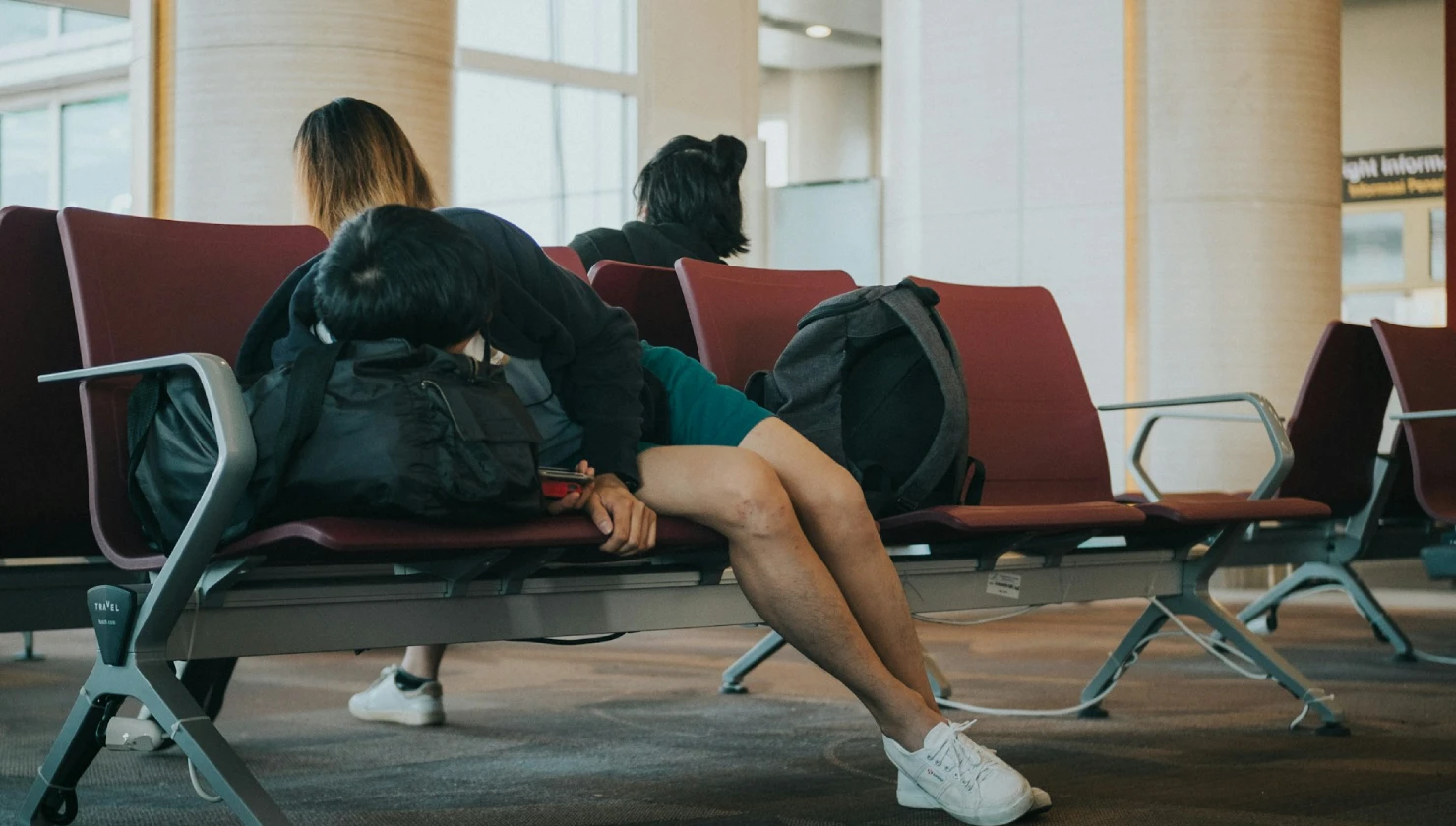
Travel fatigue after arriving in Bali? Learn why long flights cause exhaustion and how hydration, rest, and medical support can help travelers
For many travelers, arriving in Bali marks the beginning of a relaxing tropical holiday.
However, after a long international flight, some visitors find themselves feeling unusually tired, sluggish, or mentally foggy during the first few days of their trip.
This condition is commonly known as travel fatigue. While it is usually temporary, it can affect energy levels, sleep quality, concentration, and overall enjoyment of a vacation.
Understanding why travel fatigue happens and how to manage it can help you recover faster and make the most of your time in Bali.
What Is Travel Fatigue?
Travel fatigue refers to the physical and mental exhaustion that can occur after long-distance travel, particularly international flights.
Unlike jet lag, which is mainly caused by disruptions to the body’s internal clock, travel fatigue is often the result of several travel-related factors, including dehydration, sleep disruption, prolonged sitting, physical strain, and environmental changes.
These factors place stress on the body and contribute to feelings of tiredness and reduced alertness after arrival.
Why It Happens
Several factors contribute to travel fatigue after a long flight:
- Dehydration caused by low cabin humidity
- Poor sleep quality during travel
- Physical strain from prolonged sitting
- Time zone adjustments
- Mental and physical stress associated with travel
Airplane cabins typically maintain humidity levels between 10–20%, which can increase fluid loss and contribute to headaches, fatigue, and reduced concentration.
Combined with disrupted sleep and limited movement, these conditions often leave travelers feeling exhausted upon arrival.
Common Symptoms
Travel fatigue affects people differently, but common symptoms include:
- Persistent tiredness
- Low energy levels
- Headaches
- Difficulty concentrating
- Brain fog
- Muscle stiffness
- Mild dehydration
- Poor sleep quality
Although these symptoms are generally temporary, they can impact your ability to enjoy activities during the first days of your trip.
Recovery Tips
The best way to recover from travel fatigue is to support your body’s natural recovery process.
Focus on:
- Getting adequate sleep
- Drinking plenty of water
- Consuming nutritious meals
- Taking short walks
- Stretching regularly
- Avoiding excessive alcohol consumption
These simple steps can help restore energy levels and improve overall wellbeing.
Hydration Support
Hydration is one of the most important factors in recovery.
Water supports circulation, energy production, temperature regulation, and cognitive function.
Some travelers who experience significant fatigue or dehydration choose IV hydration therapy to help replenish fluids, electrolytes, and nutrients more efficiently.
IV therapy delivers hydration directly into the bloodstream, allowing for rapid absorption and hydration support.
When To Seek Help
Travel fatigue typically improves within a few days.
However, professional medical evaluation may be beneficial if you experience:
- Severe dehydration
- Persistent dizziness
- Ongoing nausea
- Extreme fatigue
- Symptoms that continue to worsen
A medical professional can assess your condition and recommend appropriate treatment based on your individual needs.
Enjoy Bali Sooner
Feeling tired after a long flight is a common part of international travel.
Fortunately, most cases of travel fatigue improve with proper hydration, rest, balanced nutrition, and time for the body to adjust.
Taking early steps to support recovery can help you regain your energy and enjoy your Bali holiday more comfortably.
Final Thoughts
Travel fatigue is a normal response to the physical and mental demands of long-distance travel.
While symptoms such as tiredness, dehydration, and poor sleep can be frustrating, they are usually temporary and manageable.
With proper self-care and professional support when necessary, most travelers recover quickly and return to enjoying everything Bali has to offer.
